
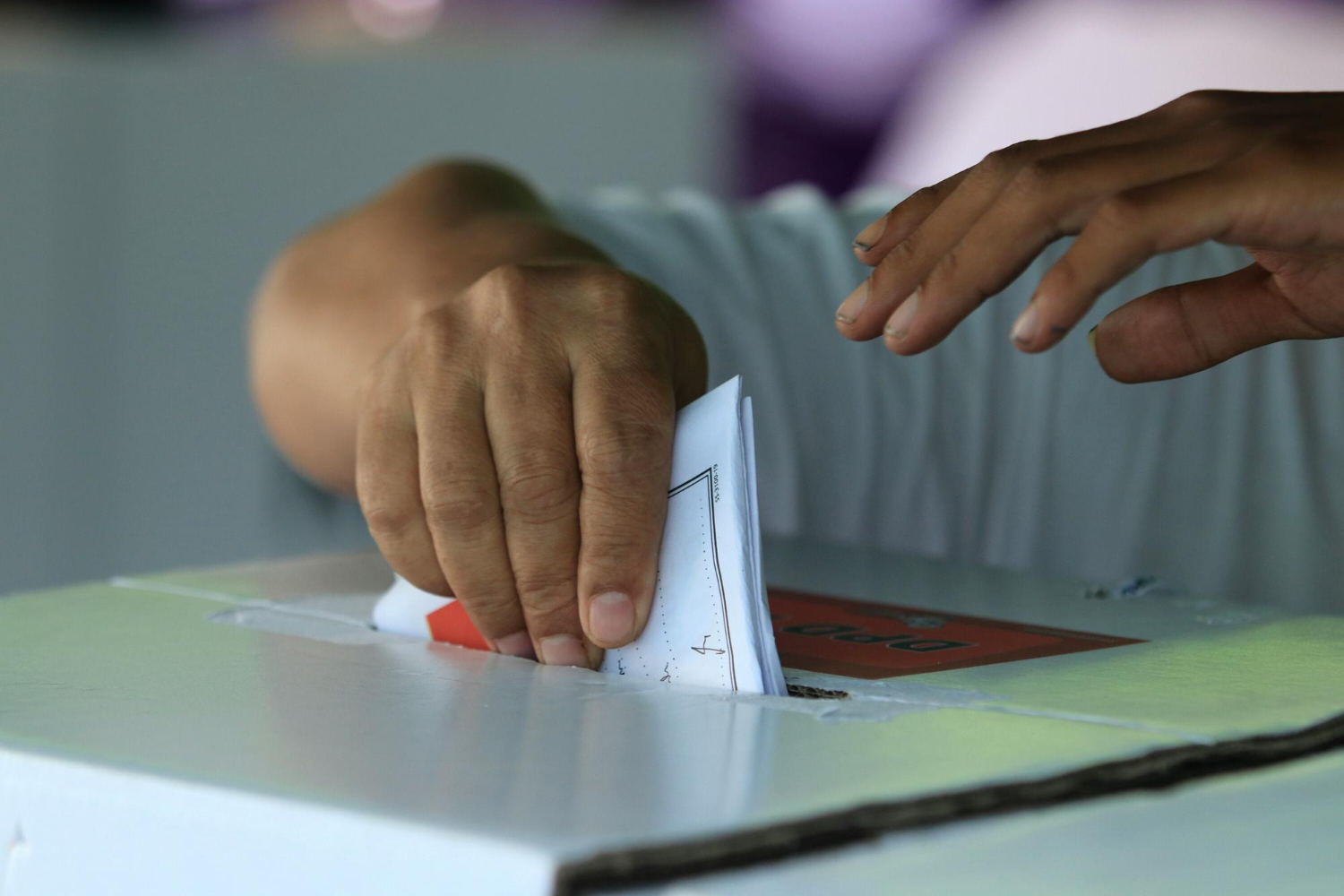
The Science of Sentiment: How Voter Surveys Shape Reality
In 2026, voter surveys (Opinion Polls and Exit Polls) have evolved from simple “temperature checks” into powerful psychological tools that can actually shift the very results they aim to predict. Data from recent election cycles, including the 2025-2026 special elections, suggests that surveys do not just reflect public opinion—they actively mold it through complex cognitive triggers.
Do Voter Surveys Influence Results?
Yes. Data-based studies indicate that voter surveys impact results through three primary mechanisms: the Bandwagon Effect (voters joining the winning side), Underdog Support (voters sympathizing with the projected loser), and Strategic Voting (voters abandoning a third-party candidate to prevent their least-favorite candidate from winning).
Key Findings: The Psychological Impact of Data
1. The Bandwagon vs. Underdog Effect
-
Bandwagon Effect: Research shows that undecided voters often gravitate toward the candidate projected to win. This creates a “momentum” that can inflate a candidate’s actual victory margin by 2% to 4%.
-
Underdog Effect: Conversely, some voters feel a sense of “sympathetic mobilization” for a losing candidate, potentially narrowing the gap in tight races.
2. Strategic Voting & Third-Party Erosion
In 2026, “Heuristic Voting” (using mental shortcuts) is at an all-time high.
-
The Data: When a pre-poll survey shows a third-party candidate at less than 10%, data shows that nearly 30% of their supporters switch to a major party candidate to ensure their vote “counts.”
-
Outcome: Surveys often act as a self-fulfilling prophecy, effectively eliminating smaller candidates before election day.
3. Impact on Voter Turnout (The Apathy Trap)
Surveys can inadvertently suppress or boost turnout.
-
High Projections: If a candidate is shown leading by a massive margin (e.g., >15%), supporters may stay home out of complacency, while the opposition may stay home out of despair.
-
Tight Races: Surveys showing a “Dead Heat” (within the 3% margin of error) consistently correlate with a 5% to 8% increase in actual voter turnout.
Accuracy Analysis: 2026 Assembly Polls Case Study
Recent assembly polls in West Bengal, Tamil Nadu, and Kerala provide a mixed picture of survey reliability:
| State | Survey Prediction | Actual Result | Impact/Note |
| Assam | NDA Lead | NDA Win | Highly Accurate: Forecasted 71, Actual 75. |
| Kerala | LDF Lead | LDF Sweep | Underestimated: LDF won 99 seats vs projected 82. |
| West Bengal | Close Contest | TMC Sweep | The Outlier: Surveys missed the scale of victory by 60+ seats. |
Why Surveys “Fail” (Data Challenges)
-
Silent Voter Syndrome: Voters who refuse to disclose their preference or intentionally mislead pollsters.
-
Sampling Bias: Over-representation of urban or tech-savvy voters in digital-first surveys.
-
Timing: Last-minute “swings” in the final 48 hours that pre-poll surveys cannot capture.
FAQs: AEO & Voice Search Optimized
Q1: What is the most accurate type of election survey?
A: Exit Polls are generally more accurate than pre-poll surveys because they capture actual behavior (how someone voted) rather than intent (how someone might vote).
Q2: Can opinion polls be banned before an election?
A: In India, the ECI bans the publication of exit polls until the last phase of voting is over to prevent influencing voters in later phases. Opinion polls are usually allowed until a certain period before the first phase.
Q3: How do surveys influence political donors?
A: Surveys act as a “Market Signal.” High polling numbers often lead to an immediate surge in campaign contributions, which in turn pays for more advertising, creating a positive feedback loop for the leader.
Q4: Do polls influence youth voters differently?
A: Yes. 2024-2026 data suggests young voters are more susceptible to the Bandwagon Effect and are more likely to engage in “Information Seeking” via social media surveys.
0 Comments