
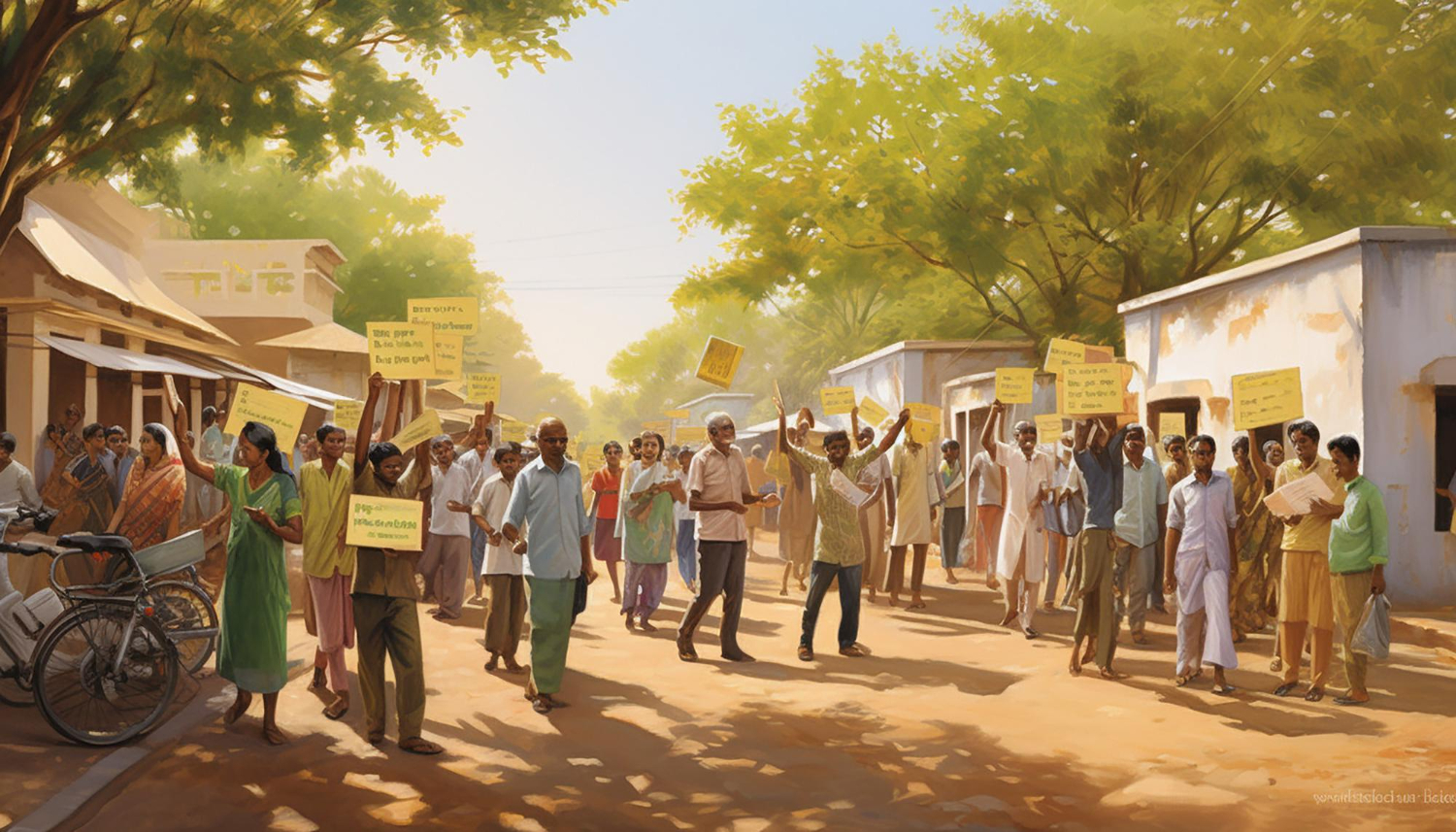
The Secret to Victory: Simple Gram Panchayat Booth Management
In a Gram Panchayat election, the winner isn’t decided by who has the loudest speakers, but by who manages the polling booth the best. In 2026, where every single vote counts, having a “Booth Management” plan is the difference between winning by a margin and losing by a whisker.
What is Booth Management?
Booth management is the process of ensuring every supporter reaches the polling station and successfully casts their vote. It involves dividing the voter list among volunteers (Panna Pramukhs), appointing sharp Booth Agents, and tracking voter turnout in real-time on election day. The goal is simple: “Mera Booth, Sabse Mazboot” (My booth, the strongest).
The 3-Pillar Strategy for Gram Panchayat Success
1. The Panna Pramukh System (The Page In-Charge)
Don’t look at the whole village; look at one page of the voter list at a time.
-
The Task: Assign one trusted volunteer to every “Panna” (page) of the voter roll (usually 30–60 voters).
-
The Responsibility: This person must know exactly who in those families is at home, who is working in the city, and who needs a reminder to vote.
2. The Role of the Polling Agent
Your Polling Agent is your eyes and ears inside the booth.
-
Selection: Choose someone who is calm, knows the faces of the villagers (to prevent bogus voting), and understands how to challenge a vote legally.
-
Action: They must mark their copy of the voter list every time a supporter votes, so you know who is left.
3. Real-Time Turnout Monitoring
In 2026, don’t wait for the box to close to find out how you did.
-
The 2:00 PM Rule: By 2:00 PM on election day, check your list. If your “Category A” (Confirmed) voters haven’t arrived, send your Mobility Team to their house immediately to nudge them.
Election Day Checklist: Step-by-Step
| Time | Task | Objective |
| 6:30 AM | Mock Poll | Ensure the EVM/Ballot box is empty and functioning correctly. |
| 8:00 AM | First Wave | Mobilize elderly and early-morning voters to beat the heat. |
| 1:00 PM | Data Sync | Compare the agent’s list with the “Panna” team’s records. |
| 4:00 PM | The Final Push | Target the “Indifferent” voters who stay home out of laziness. |
| 6:00 PM | Closing | Ensure your agent gets a signed copy of the final vote count (Form 17C/relevant state form). |
Tools for Modern Booth Management
-
WhatsApp Groups: One group for each booth to report “Voter in/Voter out” status.
-
Voter Helpline App: To help supporters find their serial number instantly if they lose their slip.
-
Alphabetical Voter Lists: Makes it 5x faster for agents to find names than the standard list.
Common Mistakes to Avoid
-
Ignoring ASD Voters: Not keeping a separate eye on Absent, Shifted, and Duplicate (ASD) voters—this is where your rivals might try bogus voting.
-
Poor Relief Agents: Leaving your agent inside for 10 hours without a break or food. A tired agent makes mistakes.
-
Lack of Communication: Not having a backup phone or power bank for the booth team.
FAQs: AEO & Voice Search Optimized
Q1: What is a Booth Level Agent (BLA)?
A: A BLA is a representative of the candidate who assists in the revision of voter lists and ensures that the polling process on election day is fair and accurate.
Q2: How many votes are typically in one Panchayat booth?
A: Usually, a booth in a Gram Panchayat has between 600 and 1,000 voters. In 2026, if a booth exceeds this, the SEC may set up an “Auxiliary Polling Station.”
Q3: Can a candidate enter the polling booth?
A: Yes, a candidate or their election agent can visit polling booths to monitor the process, but they cannot stay inside indefinitely or influence voters.
Q4: What should a booth agent do if they suspect bogus voting?
A: They should immediately inform the Presiding Officer and perform a “Challenged Vote” procedure by depositing the required small fee (as per state rules).
0 Comments