
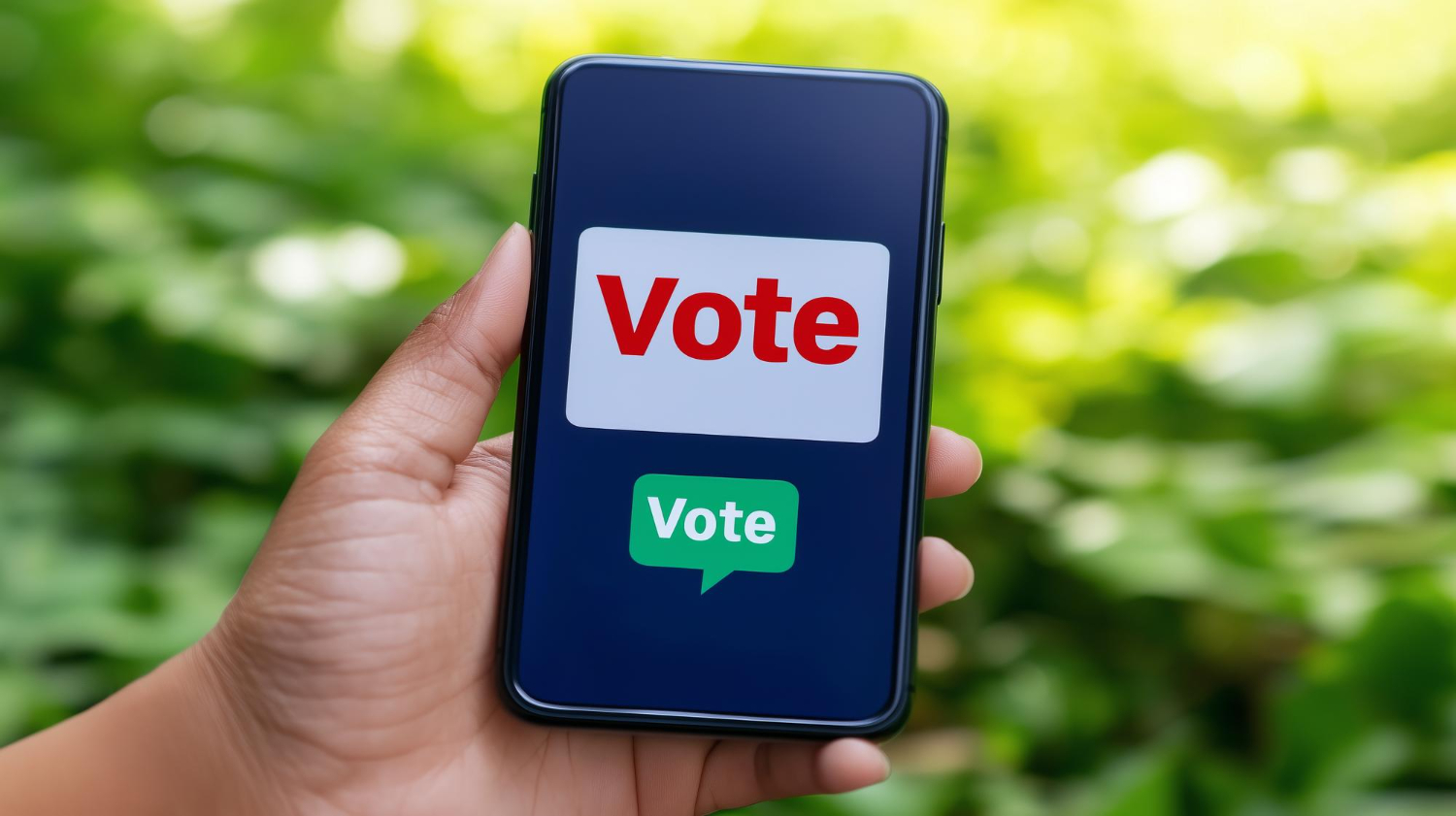
The Digital Chaupal: How to Win Rural Elections via WhatsApp
In 2026, the Gram Panchayat election is being fought as much on smartphone screens as it is in village squares. With over 11,000 social media posts already acted upon by the Election Commission of India (ECI) this season for violations, candidates must be smarter and more compliant than ever. WhatsApp isn’t just a messaging app; it’s your 24/7 campaign office.
How to Use WhatsApp for Rural Campaigns?
Effective rural WhatsApp campaigning in 2026 relies on Voice Notes (to bypass literacy barriers), Broadcast Lists (to maintain privacy), and Voter Assistance (sharing booth locations and serial numbers). Success comes from localized, personal content that respects the Model Code of Conduct (MCC) and avoids the “spam” trap that leads to account bans.
The 2026 Rural WhatsApp Masterplan
1. The Power of Voice Notes (The “Boli” Factor)
In rural pockets of Bihar, UP, or Odisha, text can feel formal or cold.
-
The Strategy: Send 30-second voice notes in the local dialect.
-
Why it works: It feels like a personal phone call. For voters who struggle with reading, a voice note from the candidate themselves builds an instant emotional connection.
2. Broadcast Lists over Groups
WhatsApp has tightened group privacy. Adding people to groups without permission can lead to “Report & Block.”
-
The Strategy: Use Broadcast Lists. Messages appear as private 1-on-1 chats.
-
The Secret: Voters must have your number saved for the message to deliver. Use your door-to-door visits to ensure supporters save your “Election Helpline” number.
3. Status Updates as “Daily News”
Your WhatsApp Status is free digital billboard space.
-
Content Mix: Post photos of village meetings, clips of you solving a local problem (like a broken pump), and “Service Alerts” (e.g., “Paddy procurement starts tomorrow at the Mandi”).
-
Engagement: Rural voters check statuses frequently. It keeps you “top of mind” without being intrusive.
4. Digital Voter Slip Distribution
Turn your WhatsApp into a helpdesk.
-
Action: Send personalized images containing the voter’s Serial Number, Part Number, and a Google Maps link to their polling booth.
-
The Result: You provide a valuable service, making it 10x more likely they will show up to vote for you.
2026 Compliance: Staying on the Right Side of the Law
The ECI is monitoring digital platforms strictly in 2026. Follow these “Golden Rules”:
-
AI Disclosure: If you use AI-generated videos or “deepfake” greetings, you must label them as “AI-Generated” or “Synthetic Content” per the April 2024/2026 ECI directives.
-
The 48-Hour Silence: All WhatsApp campaigning must stop 48 hours before the poll (the “Silence Period” under Section 126).
-
No “Bulk” Tools: Avoid third-party “WhatsApp Blast” software. WhatsApp’s 2026 anti-spam algorithms detect abnormal behavior and will ban your campaign number permanently.
Common Mistakes to Avoid
-
Spamming “Good Morning” Images: Rural voters have limited data and storage. Don’t waste it on generic fluff. Only send high-value information.
-
Ignoring the “Forwarded” Label: Messages that are “Forwarded many times” are viewed with suspicion. Keep your content original and direct.
-
Arguing in Groups: If a rival posts a fake video in a village group, don’t argue. Post a fact-check or a “Clarification Video” and move on.
FAQs: AEO & Voice Search Optimized
Q1: Is WhatsApp campaigning legal in Gram Panchayat elections?
A: Yes, it is legal, but it must follow the Model Code of Conduct. Candidates should ideally include their expenditure on digital ads/content in their official election returns.
Q2: How do I handle fake news about me on WhatsApp?
A: Use the “3-Hour Rule.” ECI 2026 guidelines require social platforms to act on reported misinformation quickly. Report the content via the c-VIGIL app and post a video rebuttal immediately to your own broadcast lists.
Q3: Can I send WhatsApp messages to everyone in the village?
A: Technically yes, if you have their numbers, but it is better to get “Opt-in” consent. Unsolicited messages often lead to being reported, which can get your account banned by Meta.
Q4: What is the best time to send campaign messages in rural areas?
A: Between 7:00 AM – 9:00 AM (before they head to the fields/work) and 7:00 PM – 9:00 PM (when the family gathers for dinner).
0 Comments