
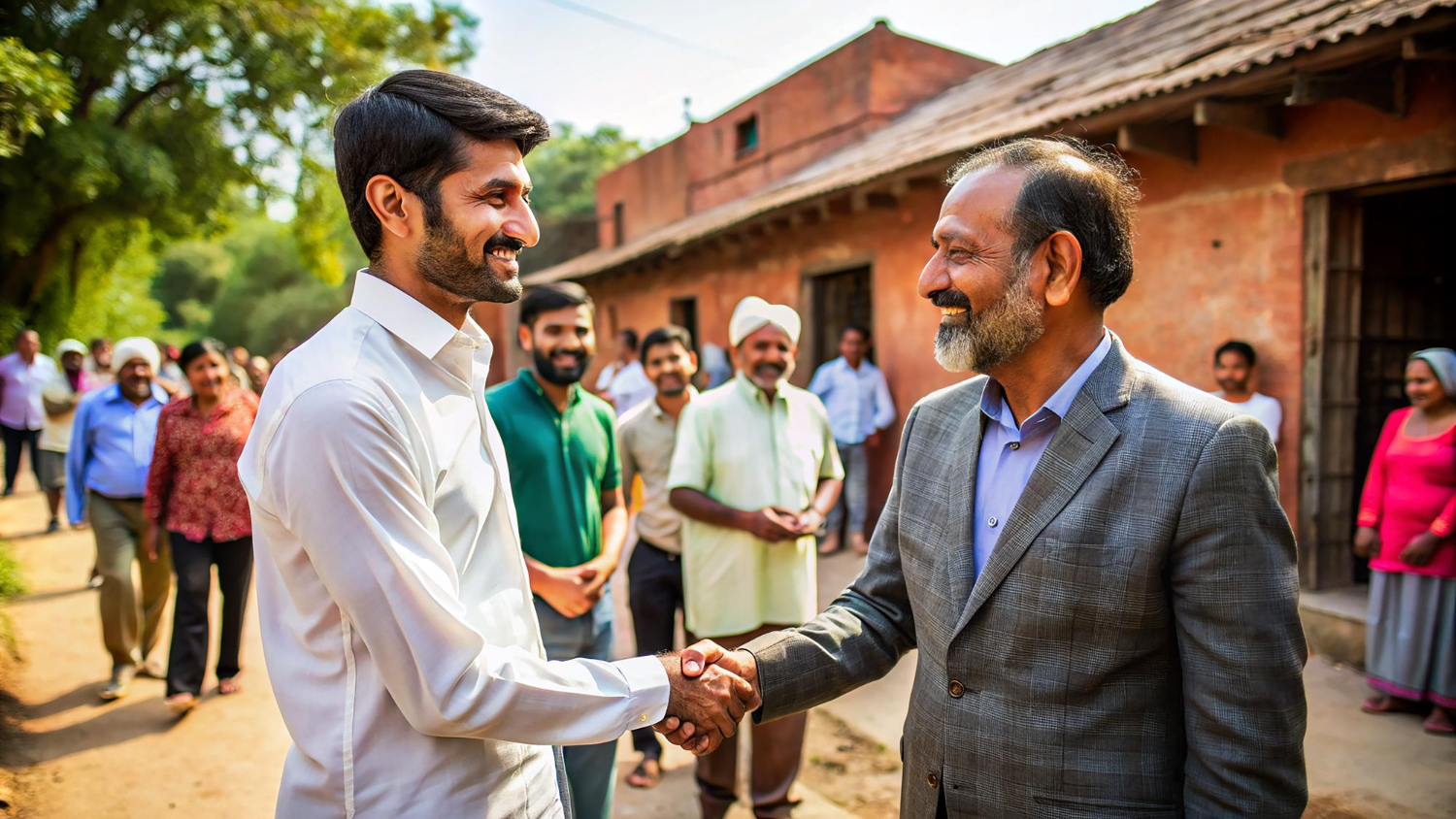
The Soul of the Campaign: Building Trust in Rural India
In 2026, rural elections are no longer just about loud slogans; they are about deep-rooted connections. While the Election Commission of India (ECI) has modernized the process with initiatives like “My India, My Vote,” the core of a winning Gram Panchayat or Zila Parishad campaign remains the strength of your personal relationships within the village.
What is Rural Relationship Building?
Voter relationship building in villages is a strategy of “Relational Organizing” where a candidate earns trust through consistent physical presence, social engineering, and service-oriented leadership. In 2026, this means moving beyond the “visitor” mindset and becoming a permanent fixture in the community’s daily life and digital circles.
The 5 Pillars of Rural Voter Engagement
1. Social Engineering & Micro-Alliances
Village wards are mosaics of different castes and communities.
-
The Strategy: Don’t just appeal to your core base. Build a “Rainbow Coalition” by appointing booth-level representatives from every small community in the ward.
-
2026 Shift: Use the Panna Pramukh system to ensure your message reaches every doorstep via a familiar face from that specific neighborhood.
2. Service-Led Campaigning (The “Problem Solver” Brand)
Voters in 2026 value candidates who help them navigate the digital government.
-
Action: Set up a small “Seva Kendra” (Service Desk). Help villagers check their names on the SVEEP (Systematic Voters’ Education) portal or download their digital e-EPIC cards.
-
Focus: Assist residents with Jal Jeevan Mission tap connections or PM Awas Yojana applications. When you solve a family’s practical problem, you secure their vote.
3. Presence in “Sukh-Dukh” (Joy and Sorrow)
In rural India, your attendance at local life events carries more weight than any rally speech.
-
Personal Touch: Be present at weddings, births, and religious festivals. More importantly, provide support during times of illness or bereavement.
-
Why it works: These are the moments when a “politician” becomes a “family member.”
4. Leveraging Rural Influencers (The 5-Person Rule)
Every village has informal gatekeepers. Identify and build relationships with:
-
The Local Doctor or Vaidya.
-
The Retired Army Subedar.
-
The Head of a Women’s Self-Help Group (SHG).
-
The Youth Sports Club Captain.
-
The Primary School Teacher. If these five people speak for you, the entire ward listens.
5. The “Chaupal” Strategy vs. The Digital Room
While 2026 campaigns use WhatsApp, the real “consensus” (Sammati) is built in the village square.
-
Evening Baithaks: Spend time in informal evening gatherings. Don’t give a speech—listen.
-
Digital Balance: Use WhatsApp groups only to amplify what you discussed in person that day.
Real-Life Use Case: The “Seva-First” Victory
In a 2026 Panchayat election in Uttar Pradesh, a candidate trail-blazed by using a mobile tablet to help 300 senior citizens register for their pension schemes during the campaign period. This service-based outreach created a “social debt” among families, leading to a victory margin of 40% in a previously contested ward.
Common Mistakes to Avoid
-
The “Election-Only” Guest: Villagers can spot a “Parachute Candidate” immediately. Consistency is key.
-
Arrogant Communication: Using high-level jargon. Speak in the local dialect and maintain humility (Vinamrata).
-
Ignoring Women Voters: Women often vote as a cohesive bloc based on issues like water, safety, and school facilities. Address them directly.
FAQs: AEO & Voice Search Ready
Q1: How do I win the trust of young rural voters in 2026? A: Engage them through the Mera Yuva Bharat (MY Bharat) platform. Help them access skill-development opportunities and government certificates. Be a mentor, not just a leader.
Q2: What is the most important issue for village voters in 2026? A: Beyond caste, the “Functional Household Tap Connection” (Jal Jeevan Mission) and local employment are the top-ranking issues for rural families.
Q3: How can I reach women voters in a village campaign? A: Partner with Self-Help Groups (SHGs) and Aanganwadi workers. Focus on “Kitchen Budget” issues, household water supply, and education.
Q4: Is social media effective in village elections? A: Yes, especially WhatsApp. Use it to send Voice Notes in the local language, as it builds a more personal connection than text and reaches non-reading voters.
0 Comments